




Struggling with Stiffness and Laziness in Winter? Practise Surya Bhedana Pranayama Daily for These Amazing Benefits
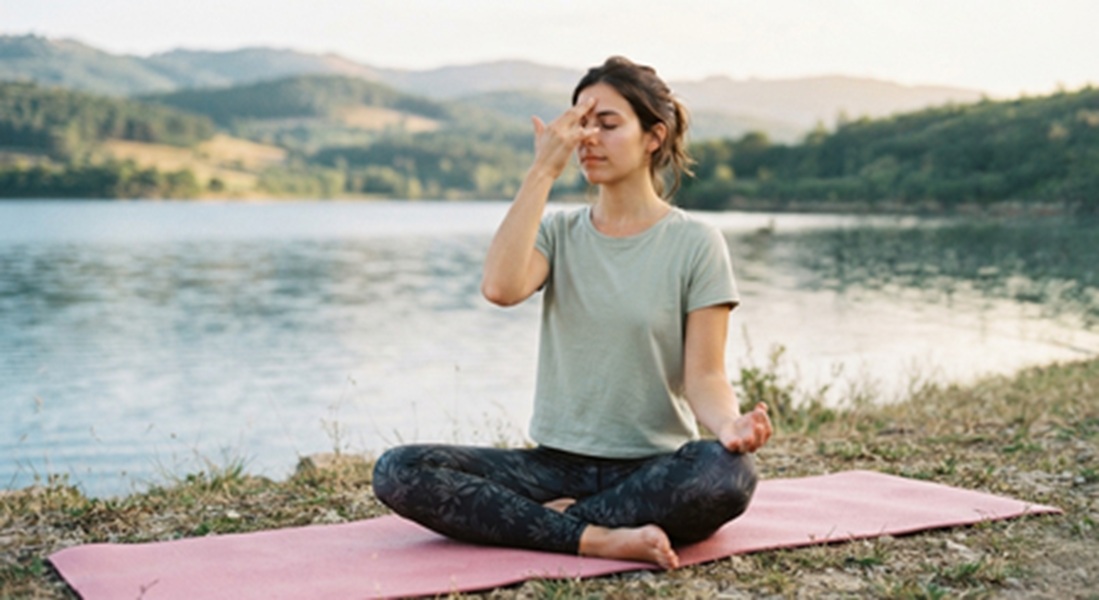
New Delhi: Pranayama is considered one of the most effective practices in yoga for maintaining a balance between the body and mind. One such breathing technique is Surya Bhedana Pranayama. Regular practice of this pranayama is believed to generate internal warmth, boost energy levels and improve metabolism.The word 'Surya' refers to the right nostril, associated with the Pingala Nadi, while 'Bhedana' means piercing or passing through. In this pranayama technique, inhalation is performed through the right nostril (Surya Nadi or Pingala Nadi), while exhalation takes place through the left nostril (Chandra Nadi or Ida Nadi).According to the Ministry of AYUSH, Surya Bhedana Pranayama is an effective breathing technique that helps generate warmth within the body, strengthen immunity and provide relief from stiffness and colds associated with cold weather and seasonal changes.This pranayama is considered particularly beneficial for people experiencing common cold, fatigue and low blood pressure. However, it is essential to practise it using the correct technique and with proper precautions.Regular practice is also believed to improve digestive fire, relieve indigestion and help balance Vata. It is traditionally associated with blood purification, blood pressure regulation and stronger immunity. It is also claimed to provide relief in conditions such as thyroid disorders, high cholesterol and diabetes, while improving skin health.The Ministry of AYUSH has also explained the correct method of practising Surya Bhedana Pranayama and its potential benefits.How to Practise Surya Bhedana PranayamaTo perform this pranayama, sit in a quiet place in Padmasana (Lotus Pose), Sukhasana (Easy Pose) or Vajrasana (Thunderbolt Pose). Keep your spine straight and close your eyes.Form the Nasagra Mudra using your right hand. Place your thumb near the right nostril and your ring finger near the left nostril. Close the left nostril and take a deep breath through the right nostril.Next, close both nostrils and practise Kumbhaka (breath retention). Then close the right nostril and slowly exhale through the left nostril.Repeat this practice 5–10 times. It is recommended to practise it in the morning on an empty stomach or in the evening.Who Should Avoid This Pranayama?People suffering from high blood pressure (hypertension) or heart-related problems should not practise this breathing technique without consulting a qualified yoga instructor.Similarly, those with excessive Pitta (heat-related imbalance), people who frequently experience excessive body heat, and those practising yoga during the summer season should avoid this pranayama.